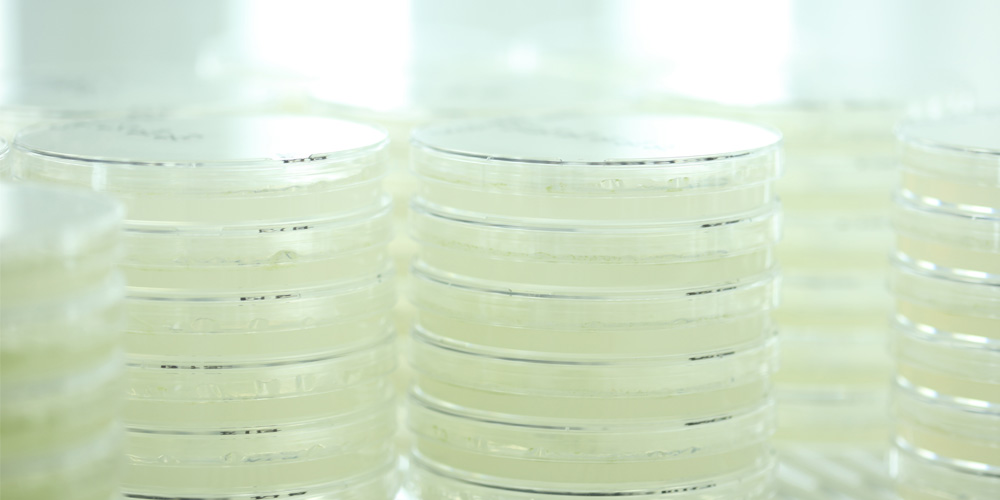
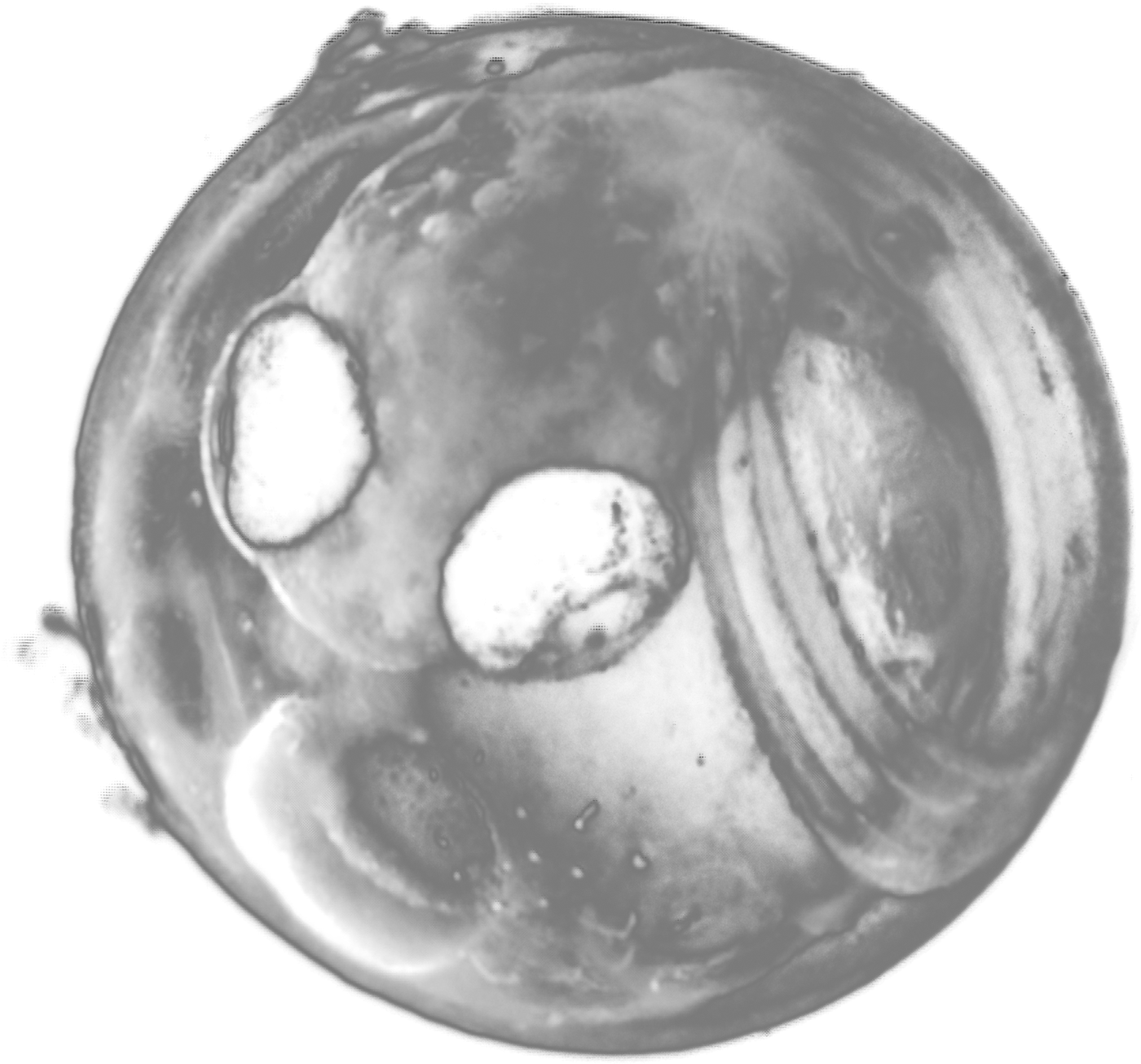
Researchers at the National Institute for Basic Biology (NIBB) have developed an alternative approach for preparing pseudopregnant recipient mice by utilizing female mice showing nonestrous signs. By combining the Lee-Boot and Whitten effects, this method achieves stable copulation and pregnancy rates. The approach offers a practical solution for research facilities to significantly reduce the number of stock animals maintained for embryo transfers, directly aligning with the "Reduction" principle of laboratory animal welfare (the 3Rs).
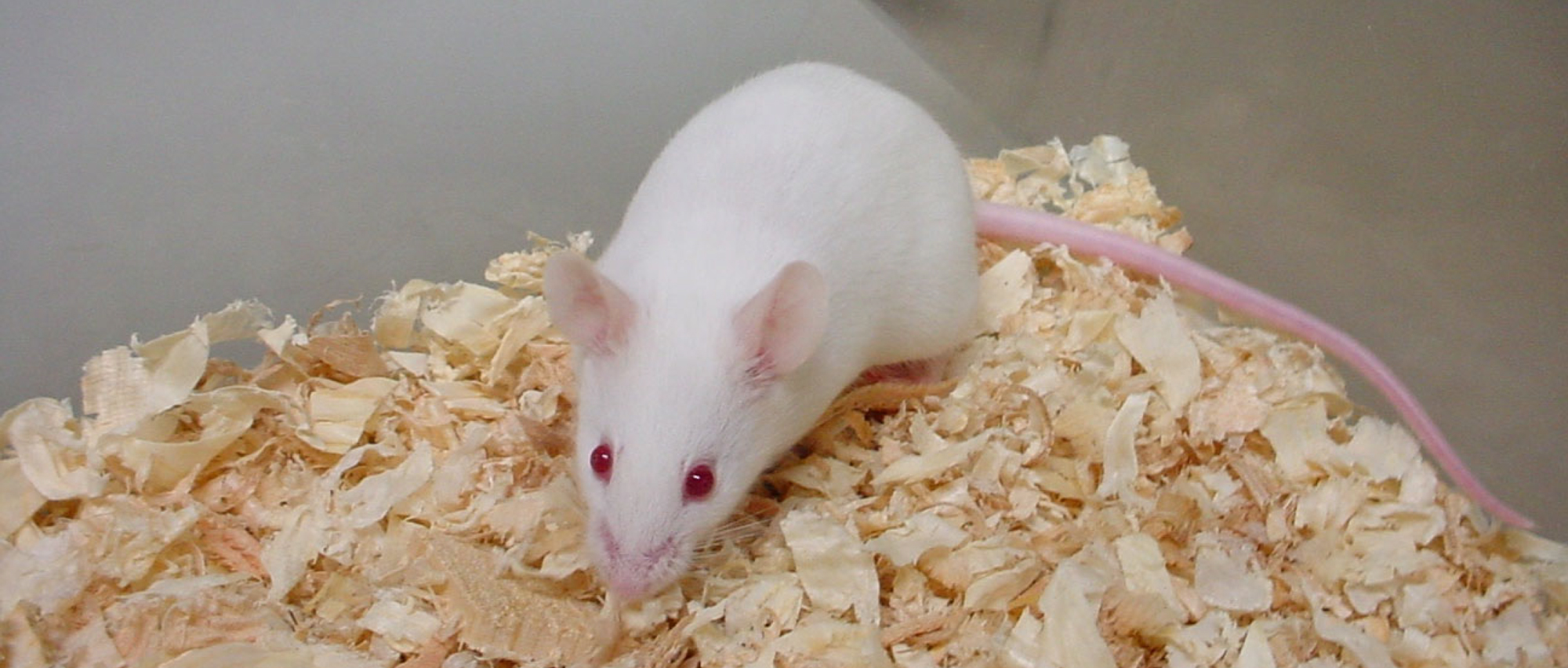
A mouse maintained in a laboratory environment.
In biomedical research utilizing mouse models, the preparation of pseudopregnant recipient females is a standard step in embryo transfer protocols. Conventionally, this process requires technicians to select female mice demonstrating clear signs of estrus. Because only a limited percentage of mice naturally enter this stage daily, facilities often maintain a relatively large stock of female mice. Furthermore, group housing can induce the "Lee-Boot effect," a biological phenomenon where caged females suppress each other's estrous cycles, thereby decreasing selection efficiency and requiring careful management to ensure animal well-being.
In a study published in the
Journal of the American Association for Laboratory Animal Science (JAALAS), Yuji Noguchi and Eiji Watanabe at the National Institute for Basic Biology (NIBB) investigated a methodological adjustment to this protocol. The study explores whether pseudopregnant recipients can be reliably prepared by actively utilizing female mice that exhibit
nonestrous signs, rather than searching exclusively for those in estrus.
The evaluated method integrates existing biological effects to optimize institutional resources. First, female mice were group-housed to intentionally induce the Lee-Boot effect, maximizing the proportion of nonestrous individuals. These female mice were then introduced to vasectomized males for three days. The introduction of male pheromones stimulates the "Whitten effect," synchronizing the females' estrous cycles and leading to targeted copulation on the third day.
"By adjusting our protocol to include mice showing nonestrous signs, which are typically bypassed in standard screening, we can establish a more predictable and sustainable preparation system," states Yuji Noguchi, the lead author of the study. Eiji Watanabe, the corresponding author of the study, further highlights the broader ethical and practical impact of this research: "The primary benefit of this approach is that it allows laboratories to significantly minimize the number of stock animals they need to maintain. This optimizes facility space and directly supports the 3Rs principles—specifically the 'Reduction' of animal use in scientific procedures."
[Paper Information]
Journal of the American Association for Laboratory Animal Science
Preparation of Pseudopregnant Recipient Females Using Female Mice (
Mus musculus) Showing Nonestrous Signs: Investigation of a Unique Approach Based on the Whitten Effect
Yuji Noguchi and Eiji Watanabe
DOI:
https://doi.org/10.30802/AALAS-JAALAS-25-131